
IB pupils explore solutions to global drought
22 September 2026
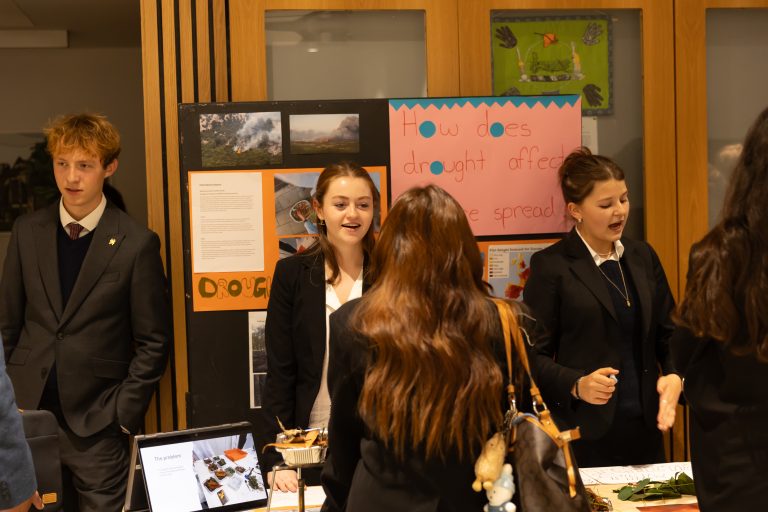
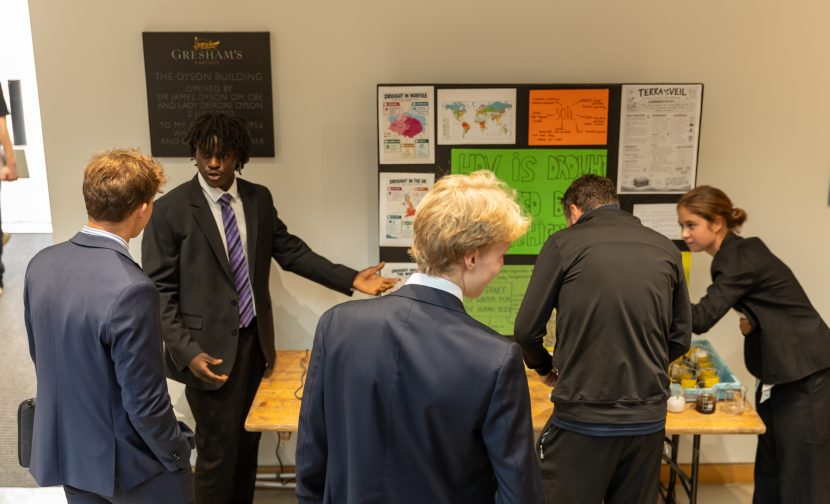
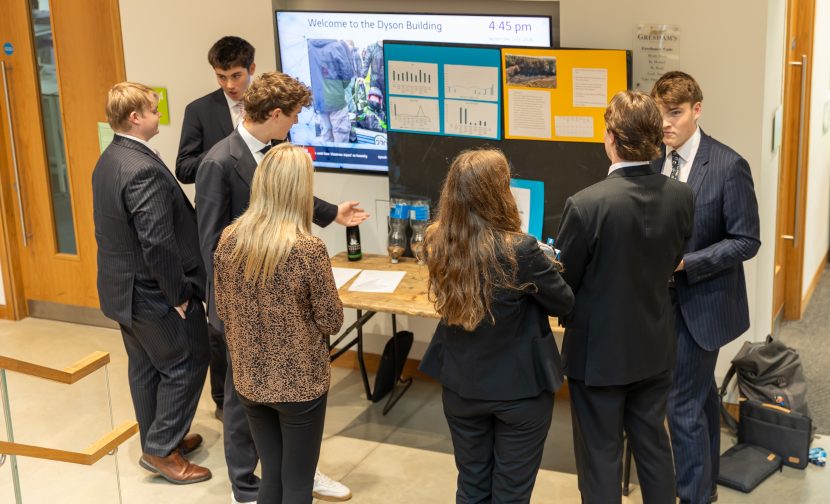
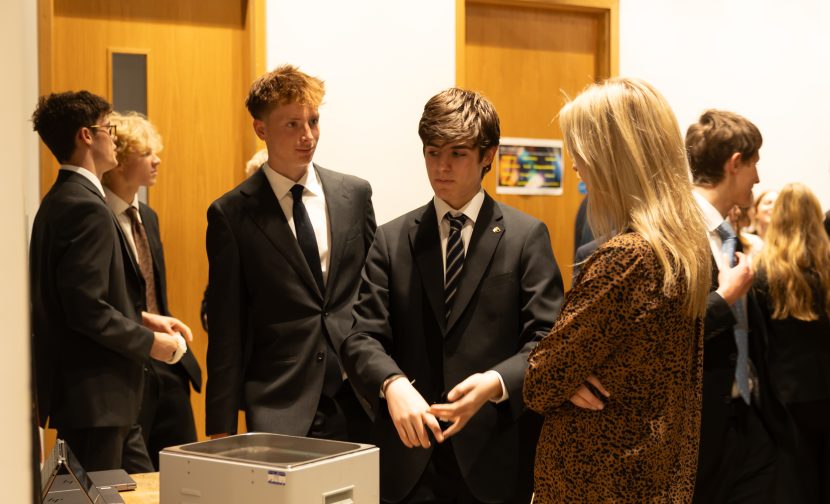
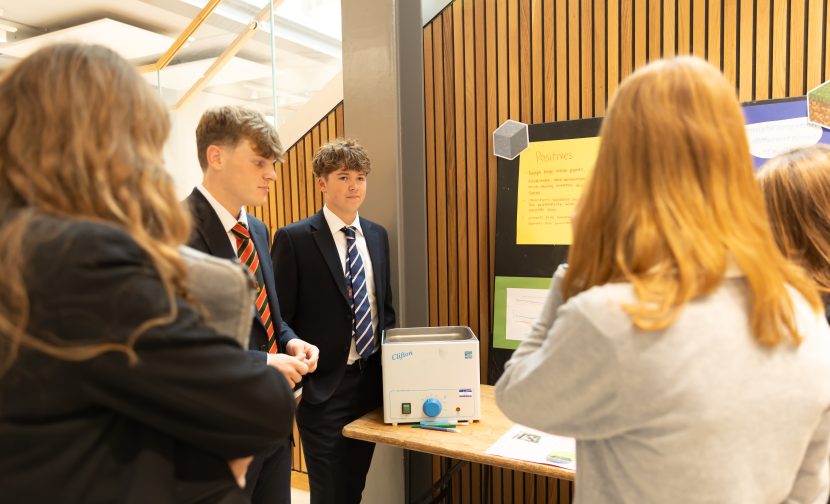
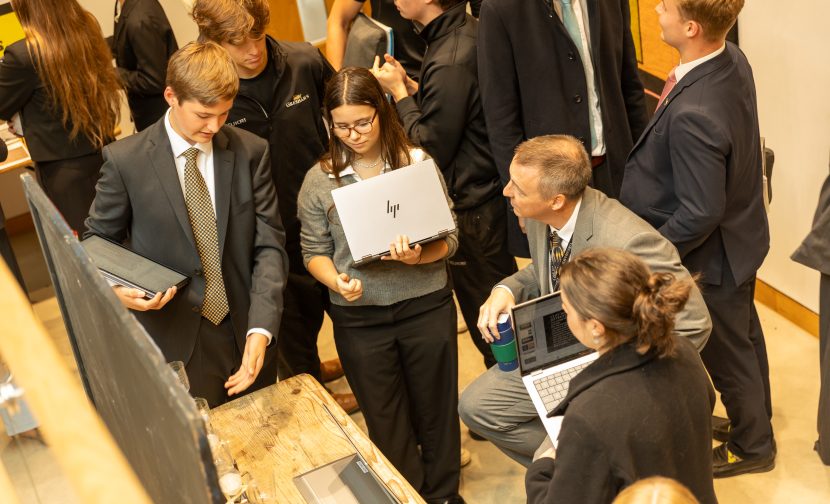
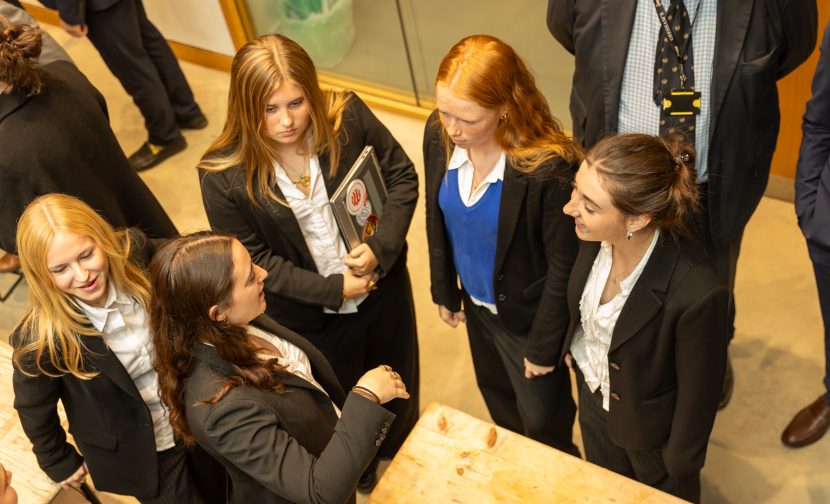
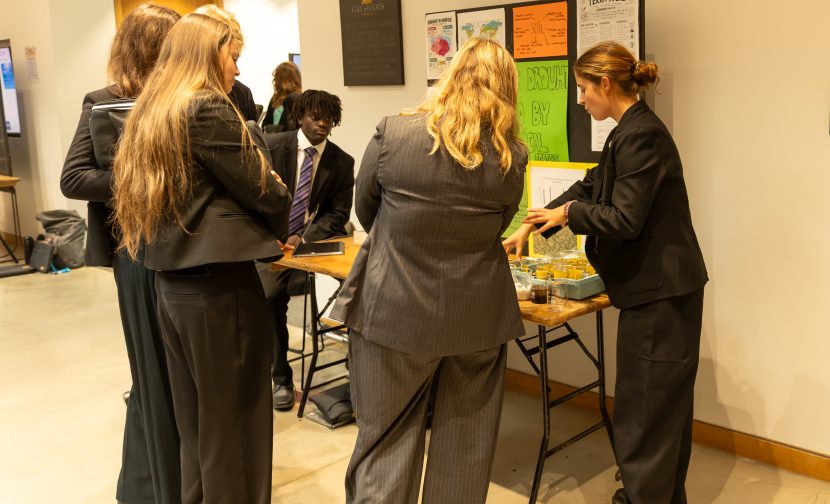
This term, IB Diploma Programme pupils showcased their creativity, scientific knowledge and collaborative skills as part of the annual Collaborative Sciences Project, an interdisciplinary investigation bringing together Biology, Chemistry and Physics.
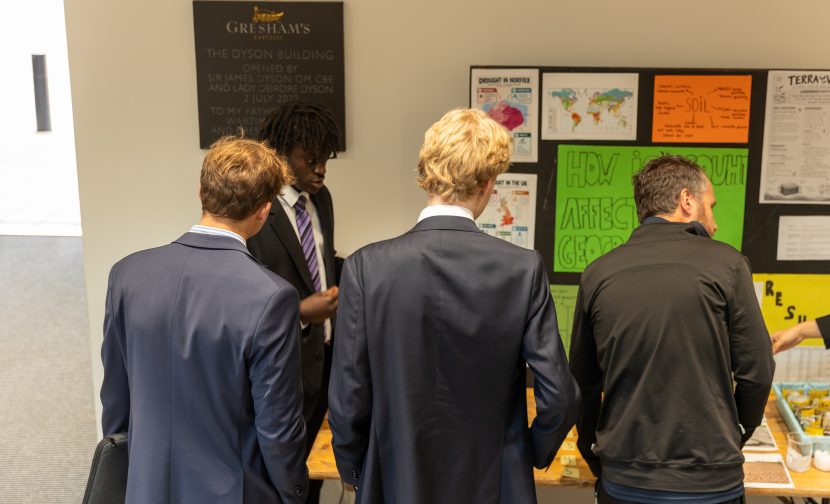
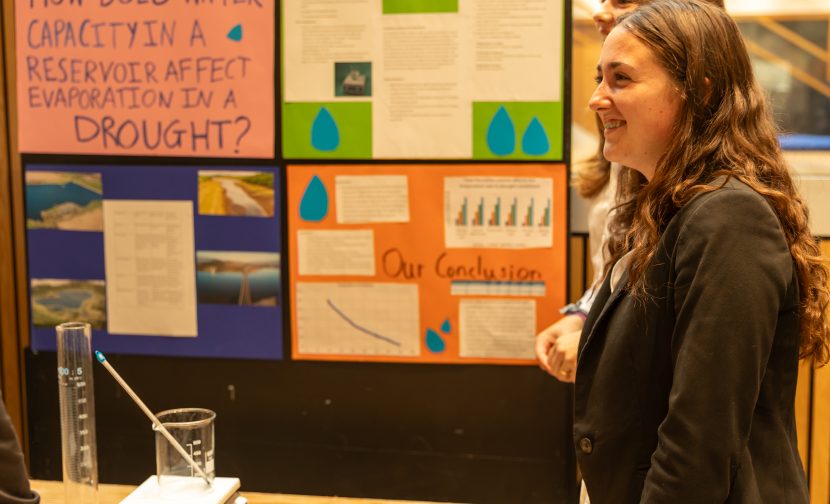
The theme for this year’s project was Drought – a challenge of growing global significance that affects ecosystems, agriculture, water security, energy production and human health. Working in teams, pupils examined the causes and consequences of drought from a range of scientific perspectives, combining their expertise to develop evidence-based solutions and communicate their findings effectively.
Throughout the project, pupils conducted research, analysed data and explored the complex interactions between environmental, chemical and biological systems. These investigations included how water can be purified to make better use of rainwater, how ‘cloud seeding’ works and whether salt concentration affects this, how alternatives to water can be sought to combat wildfires, which soils can retain most water in different temperature environments and which species of plant could be planted around heaths to help provide a barrier to wildfires that develop. Presentations demonstrated not only a strong understanding of scientific concepts but also the importance of collaboration in tackling real-world problems that cannot be solved through a single discipline alone. They investigated local, national and international challenges associated with drought, making links to the practical work they have carried out.
The Collaborative Sciences Project forms an important part of the IB curriculum, encouraging pupils to think critically, work collaboratively and apply their learning to contemporary global issues. The quality of this year’s presentations highlighted the pupils’ intellectual curiosity, teamwork and ability to communicate complex ideas with confidence and clarity.
By exploring drought through a multidisciplinary lens, pupils gained valuable insight into one of the most pressing environmental challenges facing our world and developed the skills needed to become future scientists, researchers and problem solvers.